Recent posts by users in this instance
Who cares if it's zsh if I'm the only one who uses it :p
zsh is like a million times more pleasant to write/use than posix shell (and bash, to a lesser degree)
~ the zshill
![[?]](https://doasu.dev/pub/me/s/avatar-d3d90dee57604f42ebe3ad64302eb33b.png) acct-user/initra-mf[-sleep] 🔜 40C3 [they/them] » 🌐
acct-user/initra-mf[-sleep] 🔜 40C3 [they/them] » 🌐
@me@doasu.dev
Well, it just so happened that I was in a dire need of a static site generator, and I remembered that @j-g00da@donotsta.re generates all HTML on https://kamiokan.de using her excellent XML.sh...!
I unironically think it's a pretty elegant solution, so I rewrote it in zsh (slightly tweaking the syntax) for personal use :p
Here's an example::: rights type=trans are :: human =><rights type="trans" are>human</rights>
Sauce: https://code.doasu.dev/sh/xml.zsh
Enjoy~!
Thanks @j-g00da! :3
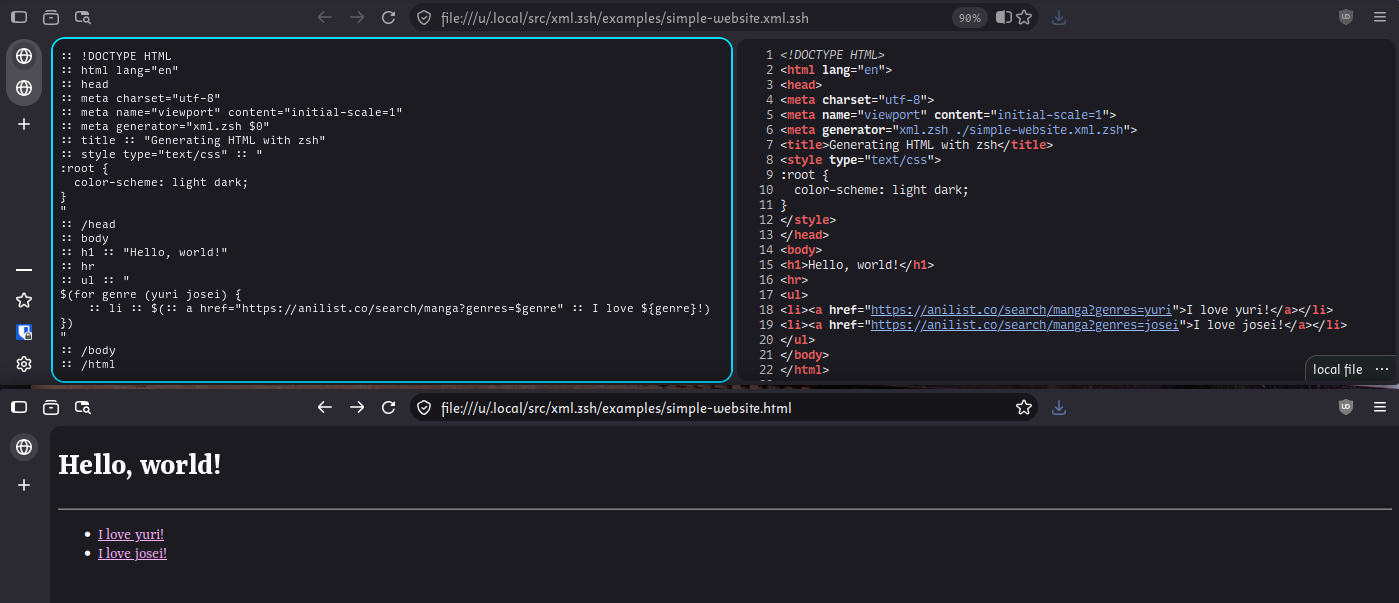
Alt...
Three panes in a web browser open side to side: 1. an example site generator script "simple-website.xml.zsh"; 2. source-code representation of the resulting html file "simple-website.html"; 3. rendered version of the result "simple-website.html".
It's always DNS...
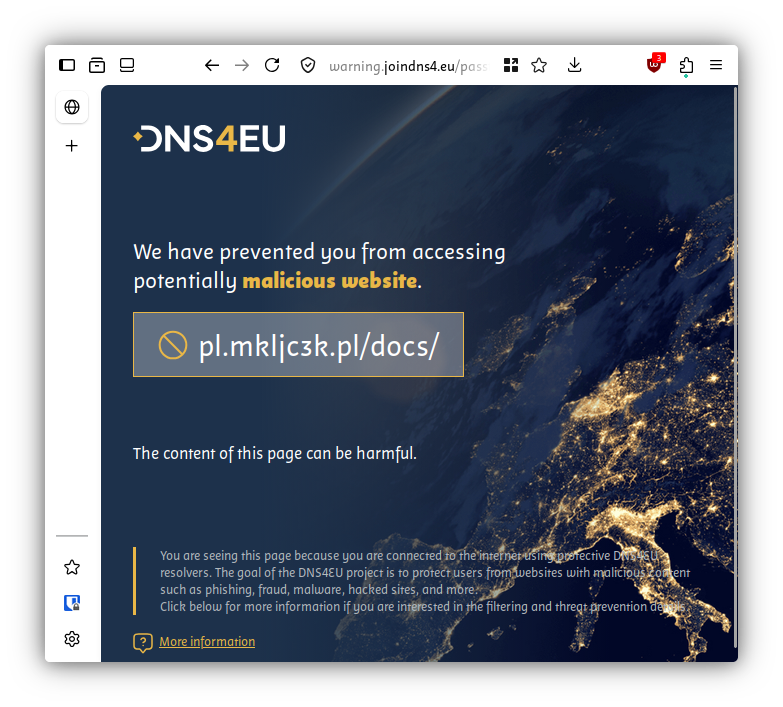
Alt...
Browser screenshot from warning.joindns4.eu: "We have prevented you from accessing a potentially *malicious website*. 🚫 pl.mkljczk.pl/docs/ The content of this page can be harmful."
# Disabling ChecksumsI love @openzfs@mastodon.social docs.
While it may be tempting to disable checksums to improve CPU performance, it is widely considered by the ZFS community to be an extraordinarily bad idea. Don’t disable checksums.
/s (tho i genuinely don't know anyone who does)
If you don't like that, you're encouraged to host your own instance. That's the whole point. (Forgejo can run on an RPi with no problem.)
Plus, there's ongoing research into cross-forge collaboration/federation, so that it'd no longer matter which instance you use. So #Codeberg folks could still contribute to your not-allowed-on-Codeberg project.
See: https://codeberg.org/forgejo-contrib/federation
CC: @nullenvk@yourwalls.today @pengwius@mastodon.world @nat@blahaj.pl
acct-user/initra-mf[-sleep] 🔜 40C3 [they/them] » 🌐
@me@doasu.dev
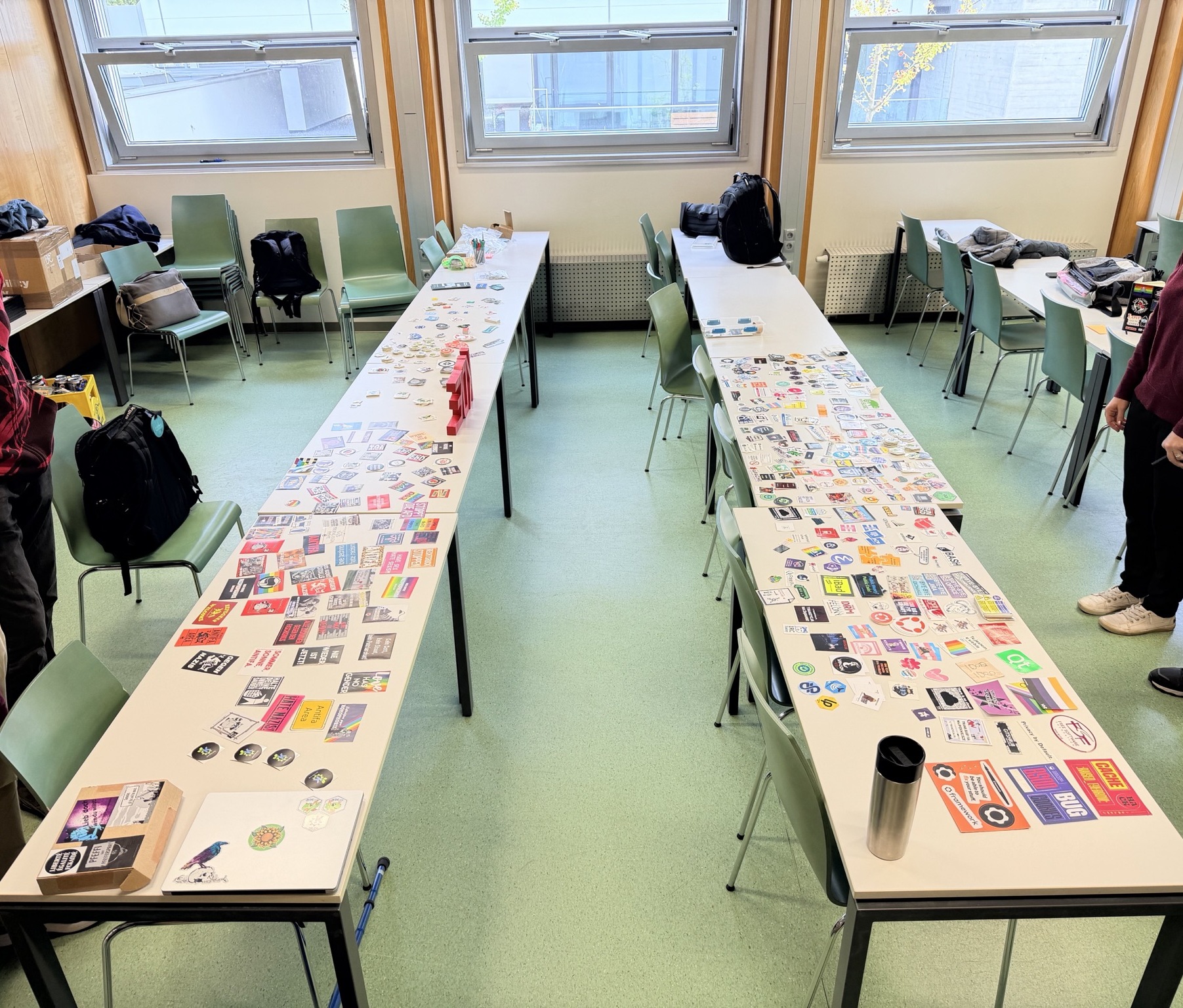
here's some cheese (i'm terrible at ascii art)
    ╭---╮
   /O  ∕/
  / o∕°/
 /o∕  /
/∕o O/
|  O/
|◯ /
| /
|/
@alina@girldick.gay, what exactly didn't work in the ones you listed?
CC: @ar@is-a.cat
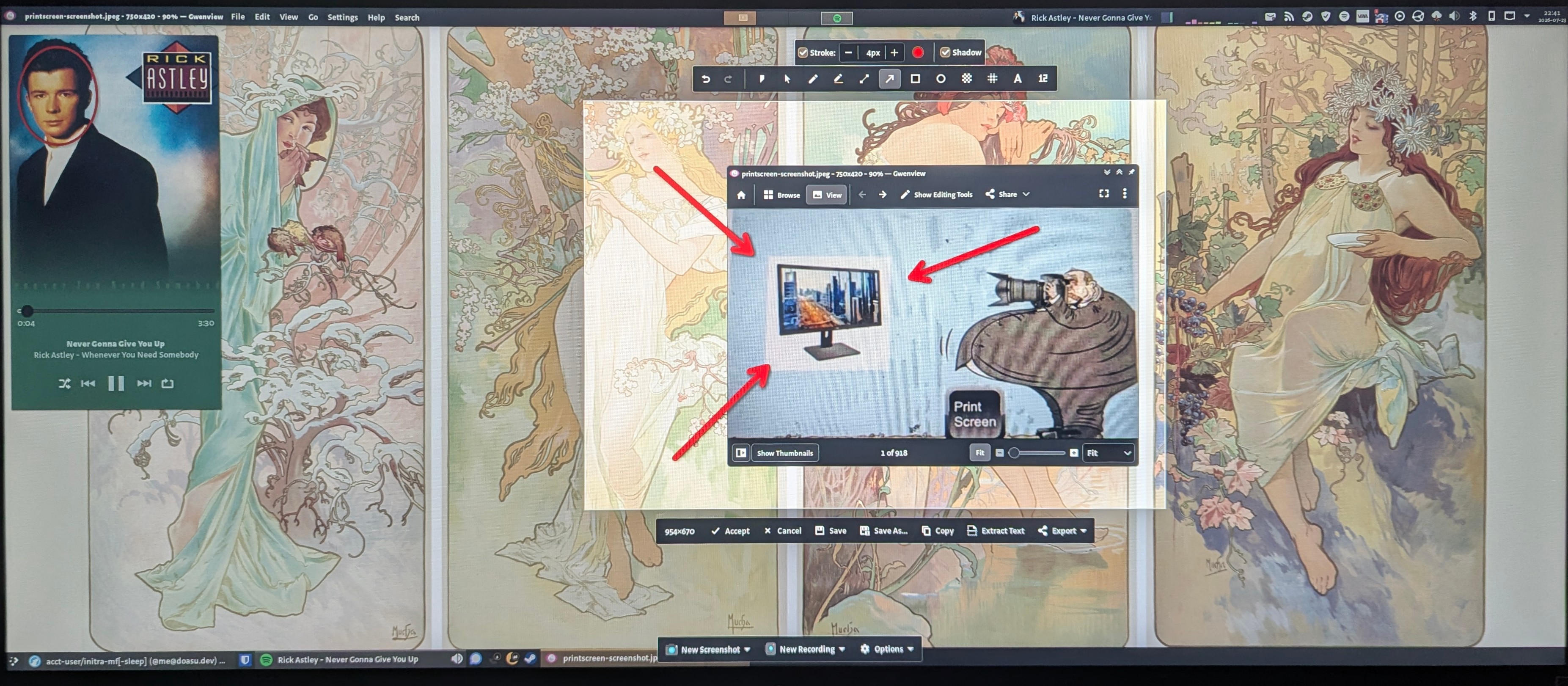
Alt...
A showcase of Spectacle at work on a 21:9 display. (Photo of the display :3)
I use it a ton. It even does surprisingly well at recording screencasts !!
#kde

CC: @navi@social.vlhl.dev @datenwolf@chaos.social @dalias@hachyderm.io @miah@hachyderm.io @mia@movsw.0x0.st @neal@social.gompa.me
CC: @can@haz.pink @iamkonstantin@mstdn.social
P.S.: i use grayjay.app.

Alt...
screenshot of a tweet by @YouTube: "you just made food. you're at the table. laptop open. what are you watching first?" followed by a response by @Y2SHAF: "2 unskippable ads"